From 25th to 27th November 2025, APFNet Executive Director Wang Chunfeng visited Chifeng to inspect the outcomes of the APFNet-funded projects in Inner Mongolia.
Since 2011, APFNet has funded nine demonstration and research projects in the region, focusing on forest restoration, multifunctional forestry, community development, carbon storage, desertification control, and fire prevention.
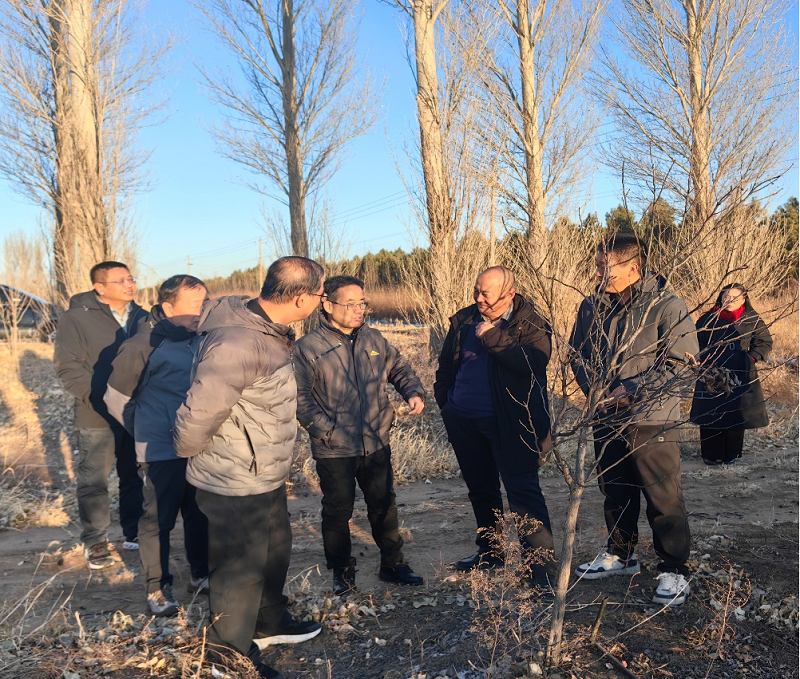
Image 1: Inspecting a project site
At Sanyijing Forest Farm in Aohan Banner, Chifeng, APFNet has funded three phases of the “Demonstration Project of Vegetation Restoration and Management and Utilization of Forest Resources in Greater Central Asia” since 2017. Phases I and II have been completed, establishing 430 ha of land restoration demonstration with diversified models, while Phase III is currently underway. Since the start of the project, the forest farm has hosted multiple exchange visits from national and international delegates, including from Central Asia, showcasing concepts, models, and experiences in combating desertification.
During the recent site visit, the APFNet team inspected the results from Phases I and II, which included 70 ha of vegetation restoration in sandy areas; 55 ha of semi-arid vegetation restoration site; a road shelterbelt; a demonstration area showcasing 40 desert-adapted tree species; and an education centre displaying local history and desertification control methods employed at the forest farm. The team also observed Phase III activities including demonstration models to integrate land restoration, ecotourism, education and outreach, and forest understory utilisation.
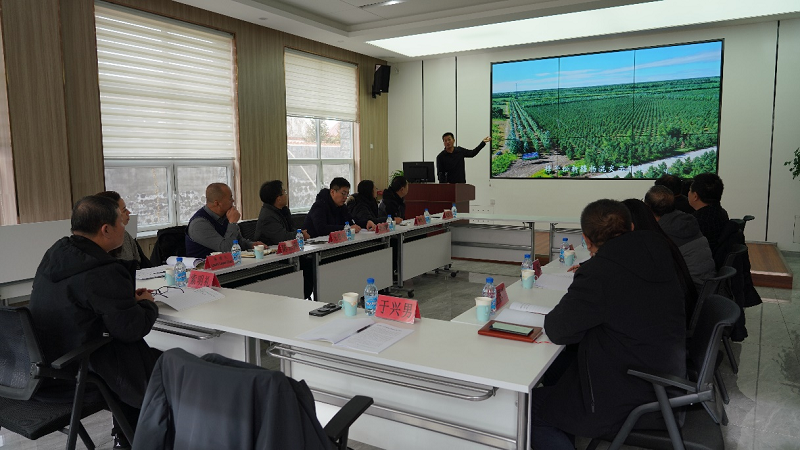
Image 2: Project briefing and discussion
At Wangyedian Forest Farm in Harqin Banner, Chifeng, the APFNet team visited the “Multifunctional Forest Management Demonstration Sites” project, including the understory mushroom cultivation site, the demonstration areas for close-to-nature management for Pinus tabuliformis plantations and for management techniques to improve productivity of larch plantations, and the APFNet Multifunctional Forest Experience Base.
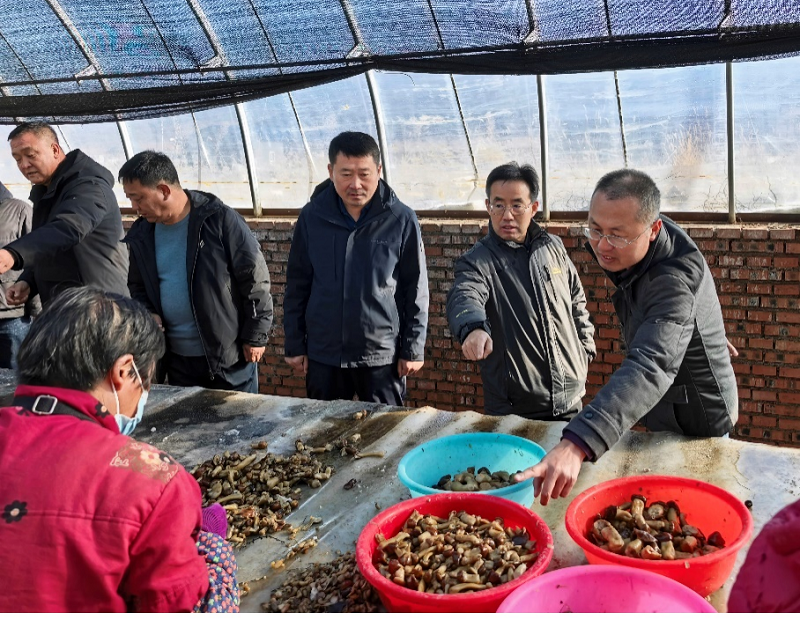
Image 3: Inspecting the mushroom processing plant
The project continues to adhere to the core concept of “promoting close-to-nature forest management, enhancing the value of natural forests, industrializing non-timber forest products (NTFPs), and cultivating multifunctional forests to achieve sustainable forest management.” It has established a comprehensive multifunctional forest experience base integrating sustainable forest management, forest-based experiences, education, ecological and cultural exhibitions, training, and international exchange. The project has supported the completion of baseline surveys on forest resources including NTFPs and carbon stock, and has issued standards such as the ‘Technical Regulations for Close-to-Nature Management of Larix principis-rupprechtii’ and the ‘Technical Regulations for Close-to-Nature Management of Pinus tabuliformis’. It has also significantly strengthened the forest farm’s capacity in multifunctional forest management.
Executive Director Wang Chunfeng noted that more than a decade of APFNet-supported projects establishing demonstration sites for forest restoration and multifunctional management at the two forest farms has generated valuable experience for similar areas in Greater Central Asia and for the multifunctional management of China’s state-owned forest farms. He stressed the need to continue leveraging their exemplary role and to further integrate the achievements of desertification control, understory development, forest-based industries, and ecotourism with rural revitalization. By doing so, communities can continue to share the ecological benefits and, as the Chinese idiom says, truly transform “Lucid waters and lush mountains” into “Mountains of gold and silver.”